The story of Helen
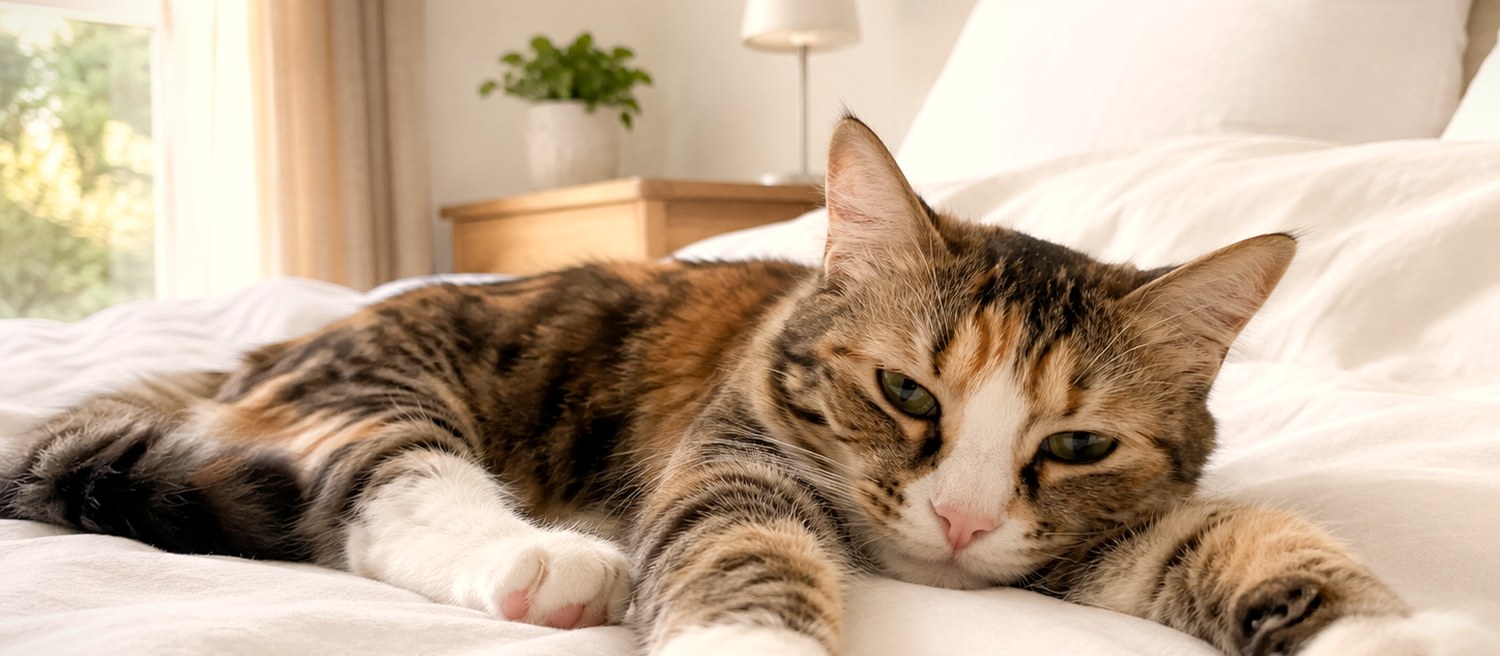
Part cat.
Part history.
Part Winter Park.
She arrived as a stray on a historic doorstep — a young mother with two kittens and no name. She left with all three, a warm home, and a name a hundred years in the making.
Chapter one
How Helen came home
In the summer of 2026, a stray cat turned up at the Woman’s Club of Winter Park — barely more than a kitten herself, and already a mother. She had come with two tiny kittens, only just born, and no intention of trusting anyone.
It took a few weeks. The members were patient. First came one kitten, coaxed in from the shrubs. Then, at last, the mother — wary, watchful, but tired of doing it all alone. Finally the second kitten, her son, the last holdout, was gathered up too. Three cats, three weeks, one very determined club.
All three were whisked off to the vet, looked over, and — as good stories tend to go — promptly adopted by members of the Club itself. The kittens found homes. And the young mama, who had turned up with nothing, was given a name with a great deal behind it.
They called her Helen.
Chapter two
The first Helen
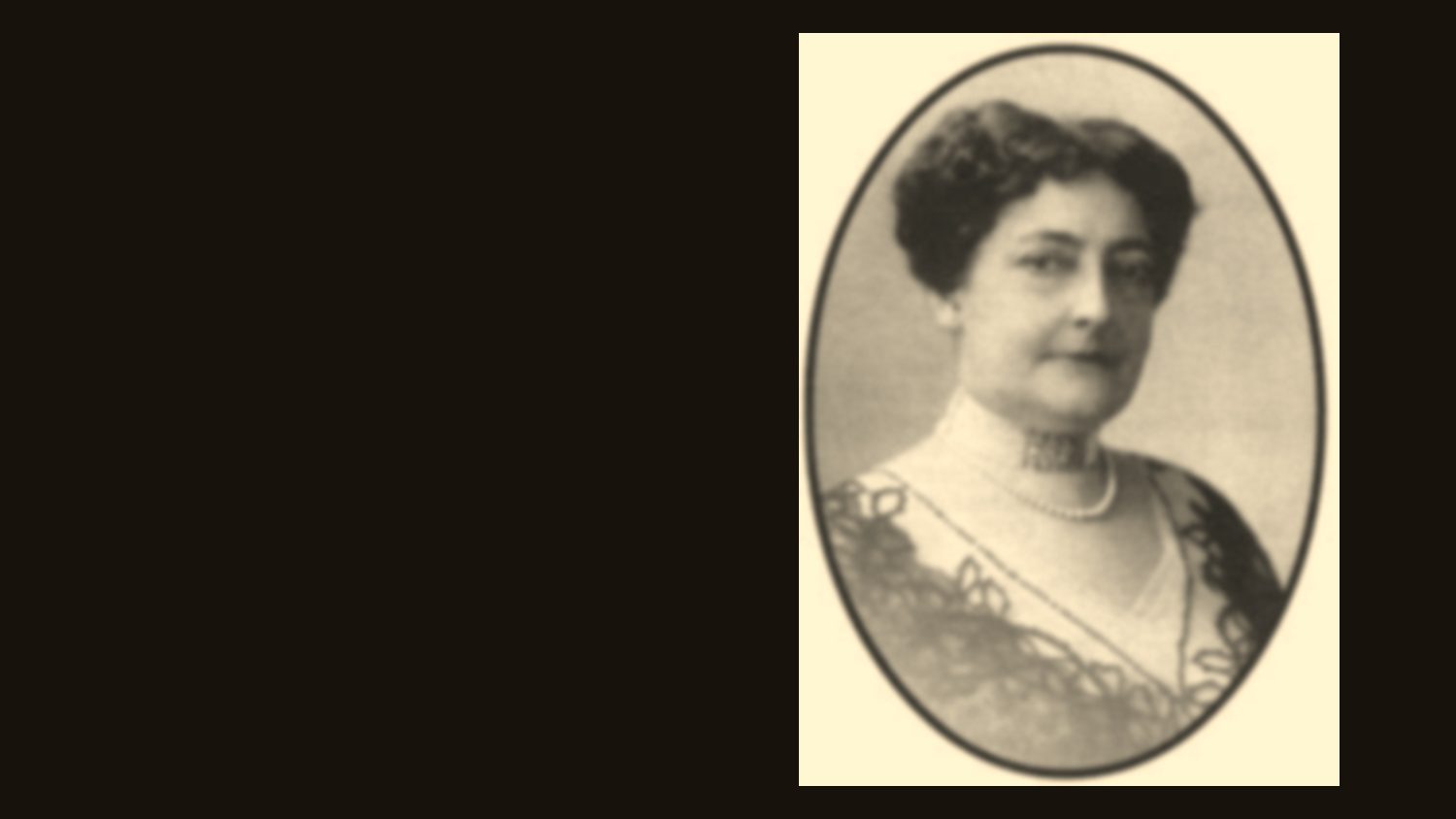
She was named for Helen Morse, who in January of 1915 invited sixteen women into her Winter Park home and, in doing so, founded the Woman’s Club of Winter Park. She served as its very first president.
Helen Morse lived at Osceola Lodge with her husband, Charles Hosmer Morse — the Chicago industrialist who fell for Winter Park and became one of its greatest benefactors. It was Charles who donated the land for the Club’s permanent home; when the clubhouse opened in 1921, its auditorium was dedicated in Helen’s honor as Helen Morse Hall, a name it still carries today. She passed away in 1929.
A century later, another Helen — small, striped, and entirely without shame — was found on the doorstep of the very club the first Helen built. It seemed only right.
Our Helen is, of course, a cat. This page is an affectionate, independent tribute — a small thank-you to the people and places of Winter Park that gave her a name and a home.

Chapter three
The places that made her
Three Winter Park institutions run straight through Helen’s story — one gave her a doorstep, one gives its whole heart to local families, and one keeps the light of her namesake’s family alive. We’re grateful to all three — and if you’d like to give back, each link below goes straight to them.

Where she was found
The Woman's Club of Winter Park
Founded by Helen Morse in 1915 and housed since 1921 in a landmark clubhouse on Interlachen Avenue, the Club advances the civic and educational life of Winter Park — funding student scholarships and preserving the city's history. Helen owes them her rescue and her name.
Where the good is done
The Winter Park Benefit Shop
Its roots reach back to 1917, when Mrs. Charles Morse — the same Helen Morse — gathered Winter Park residents into the Winter Park Welfare Association to coordinate aid for those in need, an umbrella for every local effort to help the community's most vulnerable. That work grew into today's all-volunteer Benefit Shop, where donated goods become direct support for local children and families, every dollar to Winter Park–area charities.

Where the light lives
The Charles Hosmer Morse Museum of American Art
Named for Helen Morse's husband and founded in 1942 by his granddaughter, the Morse Museum holds the most comprehensive collection of Louis Comfort Tiffany anywhere — including Tiffany's dazzling 1893 chapel. It is Winter Park's crown jewel of glass and light.
These links go directly to each organization’s own website. Helen Cam doesn’t collect, process, or receive any of these donations — every gift goes straight to them.
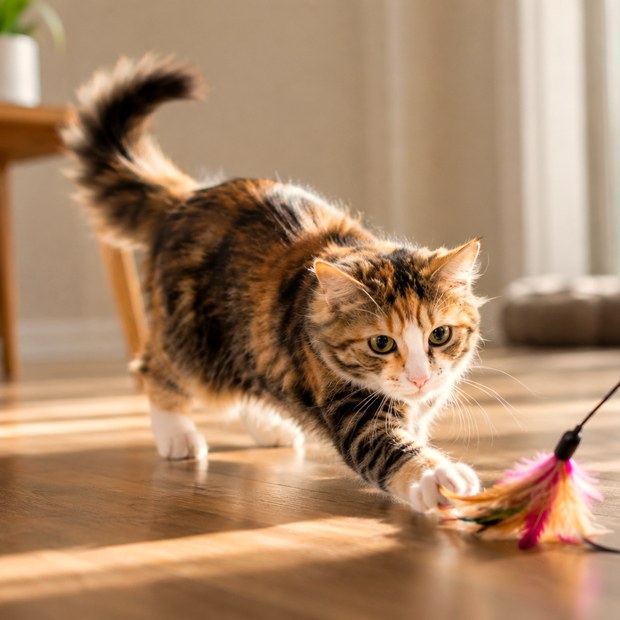
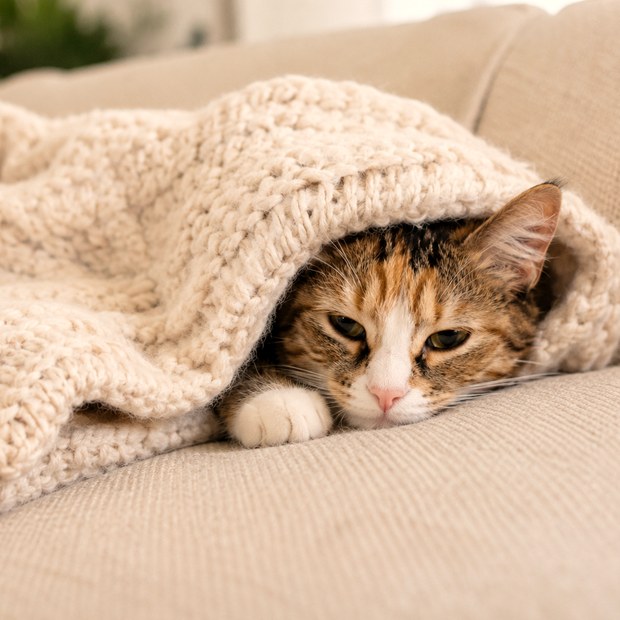
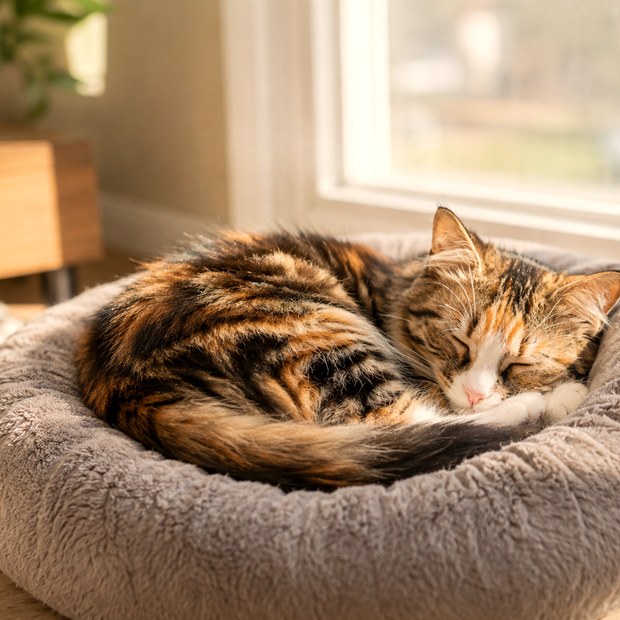
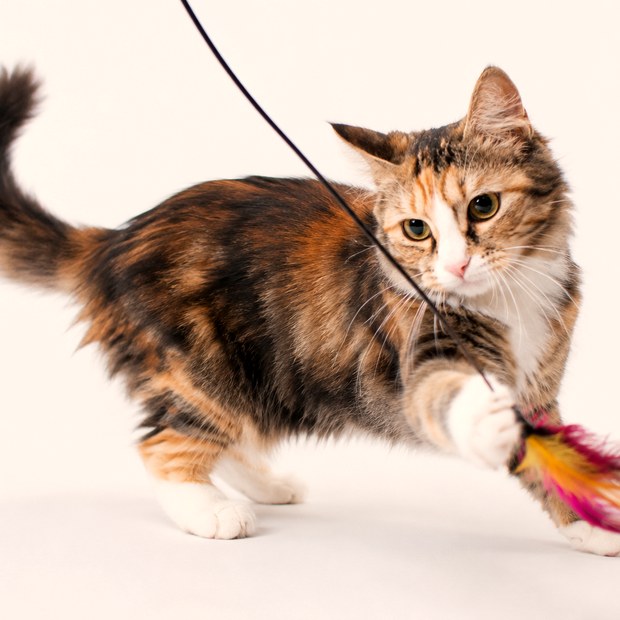
Her Majesty, at leisure
The many faces of Helen

Chapter four
For Winter Park
None of this happens anywhere else. Winter Park is a small city of brick streets and old oaks just north of Orlando, built by people who believed a place could be both beautiful and generous — the Morses chief among them. Charles Hosmer Morse gave it land and parks; Helen Morse gave it a club that still hands scholarships to its students a hundred and ten years on.
It is a town where the Tiffany glass is world-class and the thrift shop is all-volunteer; where a founder’s name outlives her by a century; and where, in the summer of 2026, a handful of club members will spend three patient weeks on a porch for the sake of one stray cat and her kittens.
That’s the Winter Park Helen was born into. We think it’s worth showing off.
With gratitude
To the members of the Woman’s Club of Winter Park — for the patience, the porch, and the name. To the first Helen, for setting all of it in motion in 1915. And to Winter Park, for being exactly the kind of place where a stray gets a happy ending.